
June 15, 2026
·location
Interior Design in Tribeca New York
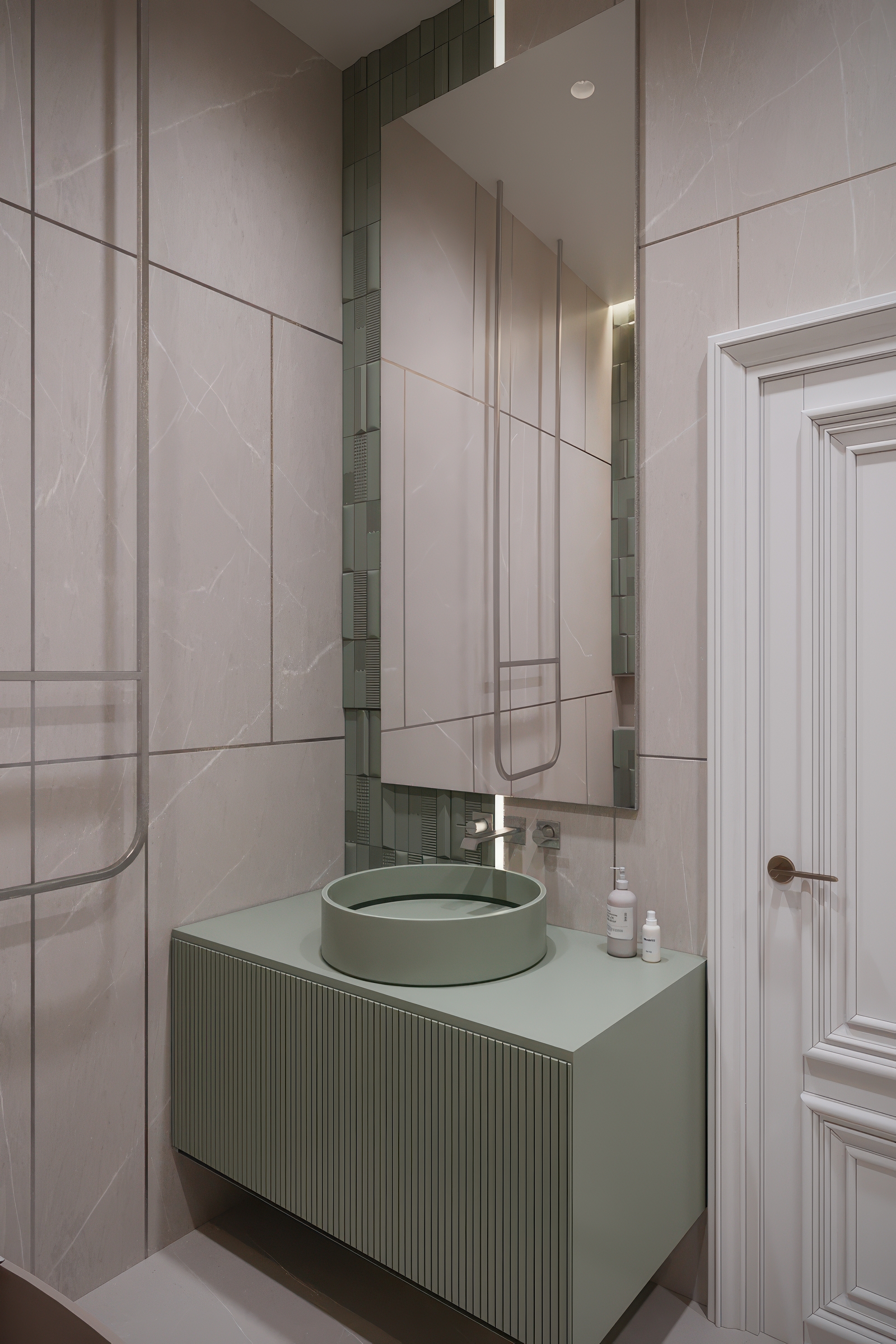
Tribeca represents the pinnacle of New York loft living, where cast-iron architecture meets contemporary sophistication. The neighborhood's historic warehouses and industrial structures have become the canvas for some of Manhattan's most refined residential interiors. As an interior designer in Tribeca, NYC, the challenge lies in honoring the district's architectural legacy while delivering the luxury finishes and seamless modern living that today's discerning residents expect.
The best luxury loft design in Tribeca doesn't mask industrial character. Instead, it celebrates it. Exposed brick, steel beams, and soaring ceilings become architectural features rather than obstacles. This philosophy requires a nuanced understanding of materials, proportion, and how contemporary furnishings dialogue with century-old bones.
The Language of Industrial Luxury
Tribeca's lofts speak a particular design language. Many date to the 1850s, originally built as warehouses and manufacturing facilities. These structures carry unmistakable presence: massive timber joists, wrought-iron columns, oversized windows, and raw concrete floors. Rather than conceal these elements, thoughtful design amplifies them through material restraint and careful curation.
The most successful interior designer approaches in Tribeca balance exposed materiality with refined comfort. A palette built from reclaimed wood, natural stone, matte metals, and textured textiles creates warmth within industrial geometry. Steel and concrete remain visible, but custom cabinetry in walnut or blackened oak grounds the space emotionally. Houzz showcases countless examples of this aesthetic, offering visual language for how contemporary luxury can integrate with industrial frameworks.
This design philosophy extends beyond visual aesthetics. Acoustics, lighting, and spatial flow must work harder in loft environments. High ceilings and hard surfaces demand thoughtful acoustic solutions. Strategic lighting design transforms raw industrial elements into features that shift throughout the day.
Materials, Color, and Spatial Storytelling
Luxury loft design in Tribeca thrives on material honesty and chromatic restraint. Rather than competing with the architecture itself, successful interiors use sophisticated neutral palettes as a foundation for carefully selected accent colors and textures.
Typical material vocabularies include burnished brass hardware, limestone countertops, hand-troweled plaster walls, and custom millwork in quarter-sawn white oak. These materials achieve luxury through quality and craft rather than ostentation. They also age gracefully, developing patina that deepens the narrative of a well-lived space.
Color enters through art, textiles, and curated furnishings rather than painted walls. This restraint honors the neighborhood's connection to Abstract Expressionism and the artists who originally inhabited these spaces. The interiors become galleries for the residents' collections and lives, allowing the architecture and carefully chosen pieces to speak.
Our Briks Residence project exemplifies this approach, demonstrating how thoughtful material selection and spatial planning can transform a historic loft into a contemporary sanctuary while preserving its essential character.
The Tribeca Context and Its Design Implications
Living in Tribeca carries expectations of authenticity and cultural sophistication. The neighborhood's cobblestone streets, design showrooms, and proximity to SoHo galleries create an environment where residents understand design as cultural expression. An interior designer in Tribeca must deliver spaces that reflect this intellectual rigor.
The best luxury loft designs become invisible frameworks for living. They don't announce themselves; they enable refined daily life while maintaining dialogue with the neighborhood's industrial heritage. This requires expertise in building systems, code compliance, and restoration alongside aesthetic sensibility. Architectural Digest's coverage of New York design regularly documents these nuanced transformations.
The district's architectural diversity matters too. A full-floor loft in a historic 1852 building demands different solutions than a converted warehouse from the 1920s. Material choices, color strategies, and spatial planning must respond to each structure's unique character and proportions.
Discover Your Tribeca Interior
Whether you inhabit a sprawling 3,600-square-foot loft or a more intimate 2,500-square-foot space, Tribeca's historic buildings deserve design partners who understand both architectural restoration and contemporary luxury. Elmira Décor brings refined design expertise and the cultural sensitivity Tribeca demands. Contact our team to discuss your project.
Explore the studio's New York work — including MANIFIC Beauty Studio NYC — in the full portfolio, or read about our services.